Unlocking the Potential of Fluid Control in the Food and Beverage Sector
The Importance of Fluid Control in the Food and Beverage Sector
Overview of Fluid Control
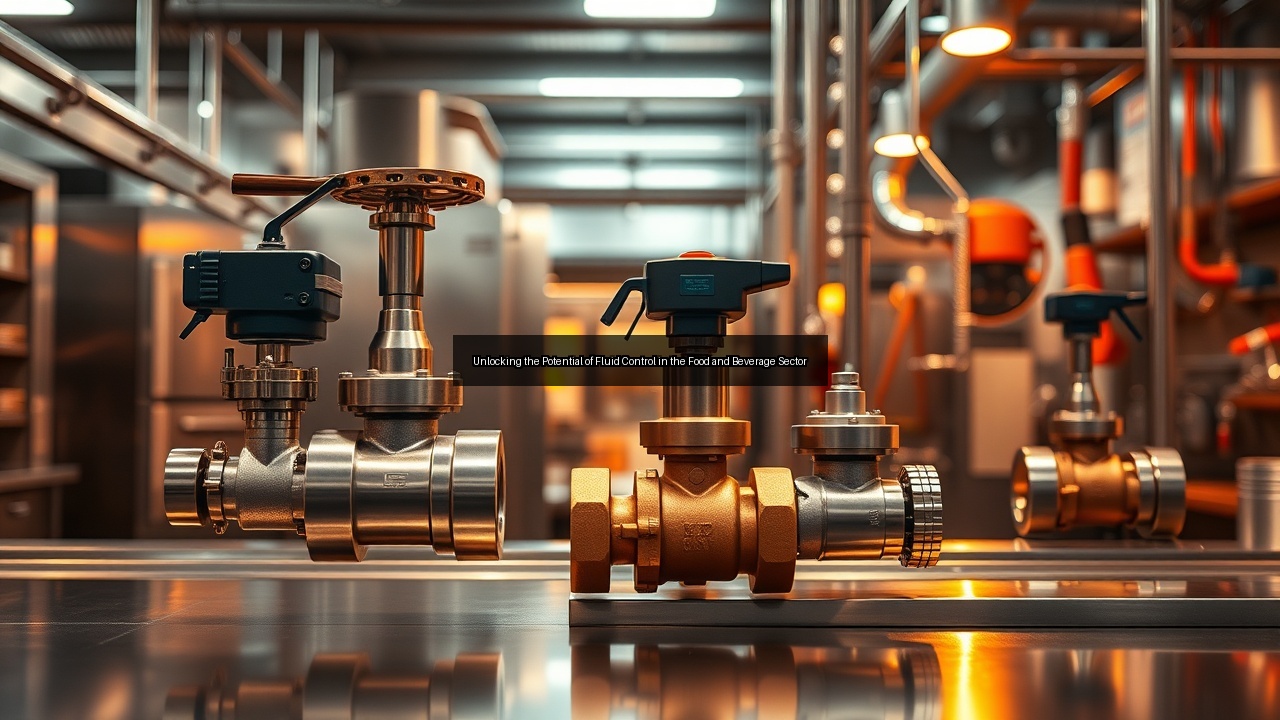
Fluid control plays a central role in managing liquids, gases, and mixtures throughout production lines in the food and beverage sector. Valves for food processing direct flow rates, maintain pressure levels, and isolate sections of equipment during cleaning or maintenance. Processors depend on these components to move ingredients without leaks or contamination. Control valves adjust volumes in real time, while specialized designs handle viscous materials like sauces or syrups. Effective fluid management reduces waste and keeps operations running smoothly across shifts. Manufacturers select valves based on material compatibility and operating conditions to match specific recipes and batch sizes.
Modern facilities integrate sensors with valves to monitor temperature and flow continuously. This setup allows operators to fine-tune processes on the fly and avoid costly downtime. Fluid control systems also support traceability by logging data on every transfer. Companies gain efficiency when they match the right valve type to each application in the food processing industry.
Impact on Food Safety and Quality
Valves used in food processing directly influence product safety by preventing cross-contamination between batches. Sanitary designs with smooth surfaces and minimal dead legs limit bacterial growth. Check valves stop reverse flow that could introduce pathogens into clean lines. Ball valves provide tight shutoff during transfers of dairy or juices, preserving freshness and flavor profiles. Safety relief valves protect equipment from overpressure events that might compromise seals or cause spills.
Consistent valve performance maintains uniform texture and taste in finished goods. Operators inspect seals and actuators regularly to catch wear before it affects output. When valves function reliably, processors meet shelf-life targets and reduce recalls. Food and beverage plants track valve maintenance logs to demonstrate due diligence in quality programs.
Regulatory Standards: FDA Compliance
The FDA sets strict guidelines for materials and construction in valves for food processing. Equipment must use food-grade stainless steel and elastomers that resist cleaning chemicals. Documentation of valve certifications helps facilities pass audits without delays. Processors verify that control valves meet 3-A sanitary standards alongside FDA requirements for surfaces that contact product.
Regular validation tests confirm that valves maintain integrity under repeated sterilization cycles. Noncompliance risks production halts and fines. Facilities update valve selections when regulations evolve to stay ahead of enforcement actions. Proper documentation of every valve installation supports traceability from raw material intake to final packaging.
Types of Valves Used in Food Processing
Ball Valves: Efficiency in Control
Ball valves deliver quick quarter-turn operation that suits high-volume transfer lines in food processing. Their full-port design minimizes pressure drop and allows pigging for cleaning. Stainless steel bodies withstand aggressive CIP solutions while maintaining tight seals. Operators appreciate the visible handle position that confirms open or closed status at a glance.
These valves handle both liquid and semi-solid flows without trapping residue. In beverage plants, ball valves manage carbonated drinks and flavor concentrates with equal reliability. Maintenance crews replace seats and seals quickly during scheduled shutdowns. Food processing applications benefit from the durability that reduces replacement frequency over years of service.
Check Valves: Preventing Backflow
Check valves protect process integrity by allowing flow in only one direction. Spring-loaded or swing designs activate automatically when pressure reverses. In dairy lines, they prevent raw milk from mixing with pasteurized product. Beverage industry installations use them after pumps to avoid siphoning that could empty tanks unexpectedly.
Proper sizing ensures these valves open fully at normal flow rates yet close instantly during pump trips. Sanitary check valves feature crevice-free internals that clean easily. Regular testing confirms they seat correctly and maintain product separation. Processors rely on them to meet safety protocols without adding manual steps to routines.
Safety Relief Valves: Ensuring Safety
Safety relief valves activate at preset pressures to protect vessels and piping from rupture. In steam-heated processes for baked goods, they release excess pressure before damage occurs. Beverage production uses them on carbonation tanks where CO2 buildup can exceed limits rapidly. These valves reset automatically once conditions stabilize.
Facilities calibrate and tag each safety relief valve according to manufacturer intervals. Records of tests support insurance and regulatory reviews. Choosing corrosion-resistant materials extends service life in acidic or salty environments common to food processing. Reliable relief protection keeps personnel and equipment safe during unexpected surges.
Applications of Valves in the Food and Beverage Industry
Fluid Control in Food Packaging
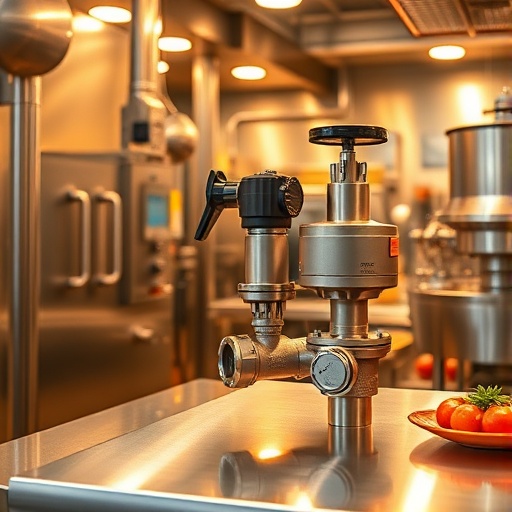
Valves for food processing manage filling heads that dispense precise volumes into containers. Pneumatic actuators open and close at high speeds on canning and bottling lines. Sanitary ball valves isolate flavor lines between product changes to avoid carryover. Control valves regulate pump output so each package receives the exact net weight required by labeling laws.
Automated sequences coordinate valve timing with conveyor movement. This synchronization reduces spills and maintains line speeds above 500 units per minute. Plants monitor valve response times to catch drift before it affects fill accuracy. Consistent performance here directly supports throughput goals in competitive markets.
Valves for Baked Goods Processing
Baked goods lines use valves to meter water, oils, and dough conditioners into mixers. Check valves prevent backflow from fermentation tanks that could alter recipe balance. Safety relief valves guard pressure vessels used for proofing environments. Ball valves on ingredient headers allow rapid changeovers between bread and pastry formulas.
High-temperature-rated valves withstand oven-adjacent steam lines without seizing. Sanitary designs ease daily washdowns that remove flour dust and grease. Processors track valve cycle counts to schedule proactive replacements before failures interrupt continuous baking schedules. Accurate fluid control supports uniform crumb structure and consistent product dimensions.
Confectionery Production and Valve Use
Confectionery plants depend on control valves to handle chocolate, fondant, and candy slurries at precise temperatures. Heated jackets on ball valves keep materials fluid during transfers. Safety relief valves protect cooking kettles from steam overpressure. Check valves maintain directionality in recirculation loops that prevent settling of particulates.
Operators adjust valve positions to achieve target viscosities for enrobing or molding stations. Sanitary construction prevents flavor migration between batches of different products. Regular inspection of seals avoids leaks that could create sanitation issues on floors and equipment. Reliable valves support the high repeatability needed for branded confectionery output.
Automated Systems and Their Role in Fluid Control
Integration of Valves in Automated Systems
Automated systems link valves for food processing to PLCs and SCADA platforms for centralized command. Positioners receive signals that modulate control valves to exact setpoints. Feedback sensors report actual flow and pressure so the system corrects deviations instantly. Ball valves with pneumatic actuators integrate easily into batch recipes stored in the controller.
Networked safety relief valves trigger alarms when they lift, allowing rapid response. Check valves equipped with proximity switches confirm proper seating during automated clean cycles. This level of integration reduces manual intervention and standardizes operations across multiple lines.
Benefits of Automation in Food Processing
Automation improves repeatability in fluid control by removing human variability from valve adjustments. Plants achieve higher yields because control valves maintain optimal flow without overshoot. Energy consumption drops when pumps run only at needed speeds coordinated by automated sequences. Safety improves as safety relief valves receive remote monitoring that flags issues before incidents occur.
Operators shift focus to oversight and exception handling rather than routine adjustments. Data logs from automated valves support continuous improvement projects and audit trails. Overall equipment effectiveness rises when downtime from valve-related faults declines.
Case Studies: Improved Efficiency and Safety
One beverage facility replaced manual valves with automated control valves and recorded a 22 percent increase in line speed. Another food processing plant added networked check valves and eliminated two contamination events in a single year. Safety relief valves tied into the plant control system allowed predictive maintenance that cut emergency repairs by half.
These examples show how automated valves for food processing deliver measurable gains in throughput and compliance. Teams review performance dashboards weekly to identify further optimization opportunities. Results compound as operators gain experience with the integrated systems.
Choosing the Right Valve for Your Food Processing Needs
Factors to Consider: Sanitary Requirements
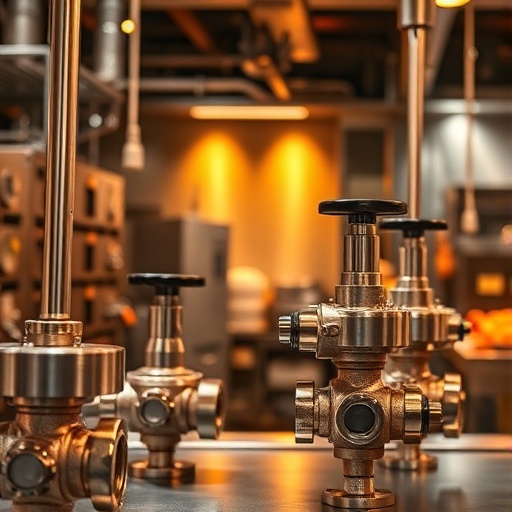
Sanitary requirements dictate surface finishes, gasket materials, and drainability for every valve in contact with food. Processors evaluate clean-in-place compatibility before selecting ball valves or check valves. FDA-listed materials and 3-A certification provide baseline assurance. Temperature and pressure ratings must cover both production and sanitation cycles without degradation.
Documentation of material traceability supports supplier qualification programs. Facilities test new valves on pilot lines to confirm performance under actual conditions. Sanitary design reduces cleaning time and chemical usage while protecting product integrity.
Comparative Analysis of Valve Types
Ball valves offer low torque and full flow but require more space than some alternatives. Check valves provide automatic backflow prevention yet add slight pressure drop. Safety relief valves excel at overpressure protection but need periodic testing that interrupts production. Control valves deliver modulating accuracy at higher initial cost than on-off types.
Processors compare total cost of ownership including maintenance intervals and spare parts availability. Application specifics such as viscosity and cleanability often decide the final choice among valves used in food processing. Pilot testing under real conditions validates selections before full rollout.
Resources for Selecting Food Processing Valves
Industry associations publish guides that list certified valves for food processing applications. Manufacturer sizing software helps match flow coefficients to process demands. Trade publications feature case studies on valves in food processing that highlight successful installations. Technical webinars from suppliers cover updates to sanitary standards and automation protocols.
Consulting engineering firms provide independent reviews when specifications involve complex multi-product lines. Online databases allow quick comparison of valve models by material and connection type. These resources shorten the selection process while ensuring compliance and performance.
See Also
- Safety Relief Valves in Food Processing Facilities: A Must-Have for Safety
- Boosting Production Quality in Confectionery with Precision Valves
- Revolutionizing the Food Processing Industry with Advanced Valve Technologies
- A Deep Dive into Valves Used in Food Processing Applications
- The Impact of Automated Systems on Valve Solutions in Food Processing